

Seasonal affective disorder in Alaska is real, it is common, and it is treatable. SAD is a form of depression that follows a seasonal pattern, and Alaska has among the highest rates in the United States. A random-sample study of Fairbanks residents found that 9.2% met full diagnostic criteria for SAD, one of the highest figures ever reported for any population, with another 19.1% meeting criteria for a milder form. Nationally, about 5% of Americans experience SAD in a given year.
Most people with SAD improve with treatment. Light therapy is usually the first step, but it is not the only option. Medication and therapy also work, and no single treatment has been shown to be superior. The right choice depends on you.
What is seasonal affective disorder?
Seasonal affective disorder is not a standalone diagnosis. Under the DSM-5-TR, it is classified as major depressive disorder with a seasonal pattern specifier. That distinction matters. It means SAD carries the full weight of a major depressive episode, not just a mood dip, and it can also apply to people with bipolar I or bipolar II disorder.
SAD symptoms last roughly five months of the year. Women are diagnosed about four times more often than men, most noticeably during the childbearing years, though rates even out in older adults. SAD most commonly follows a winter pattern, starting in fall and lifting in spring, but a summer-pattern variant also exists.
Is seasonal affective disorder real, or just the winter blues?
Yes, SAD is a real clinical condition, and the criteria are specific. To qualify, the pattern must include two consecutive years of mood episodes in the same season, with full remission when that season ends, and seasonal episodes must outnumber non-seasonal episodes over a lifetime. Feeling tired and unmotivated in January does not meet the bar. A recurring pattern of significant depression that disrupts your life every fall and winter does.
What is the difference between seasonal affective disorder and regular depression?
The table below covers the key differences. The most clinically useful distinction is in the symptom profile: SAD tends toward oversleeping and increased appetite, while non-seasonal depression more often involves insomnia and appetite loss.
Why seasonal affective disorder hits Alaska harder
Alaska's case does not rest on theory. Seasonal affective disorder has been measured here directly. A random-sample study of 283 Fairbanks residents, published in 1992 by Booker and Hellekson, found that 9.2% met full diagnostic criteria for SAD, described at the time as "one of the highest figures yet reported," with another 19.1% meeting criteria for a milder subsyndromal form often called the winter blues. Put together, close to three in ten people surveyed were affected to some degree.
Living at a northern latitude is one of four established risk factors for SAD, alongside family history, female sex, and being between 18 and 30. Researchers are still debating exactly how much prevalence rises with each degree of latitude, and the data on that question are limited. But the debate is about the size of the gradient, not about whether northern populations are affected. In Alaska, we do not have to infer it from latitude. It has been counted.
Does living in Alaska mess with your circadian rhythm?
Yes. The leading explanation in the scientific literature is called circadian phase delay, or the phase shift hypothesis. In winter, reduced light exposure disrupts the timing of your internal body clock, shifting it out of sync with the external day. This affects melatonin and serotonin regulation, which in turn affects mood, sleep, and energy. Contributing factors include individual variation in retinal light sensitivity, genetic differences in circadian rhythm function, and neurotransmitter dysfunction. SAD is a complex disorder with multiple overlapping causes, not simply a response to "less sunlight."
The daylight numbers make this concrete. On the winter solstice (December 21):
By contrast, Anchorage gets about 19 hours of daylight on the summer solstice, and Fairbanks nearly 22. The swing from 19 hours to 5 hours is not subtle. For people with a biological vulnerability to circadian disruption, that shift is enough to trigger a full depressive episode.
Is the depression rate high in Alaska?
Yes. Alaska consistently ranks among the states with the highest rates of depression and suicide. The 9.2% SAD rate from the 1992 Fairbanks study was described as one of the highest ever recorded. The Alaska Mental Health Trust Authority has documented that mental health conditions, including depression, affect Alaskans at rates that outpace most of the country.
What states have the worst seasonal depression?
States at higher latitudes, including Alaska, Washington, Oregon, Montana, and the upper Midwest, consistently report higher rates of SAD than southern states, though researchers debate exactly how steeply risk rises with latitude. The mechanism is the swing in daylight between summer and winter, which is greatest in the far north. Alaska is at the extreme end of this pattern, and its geographic isolation and limited access to mental health care make the burden particularly significant.
Symptoms of seasonal affective disorder
The classic winter-pattern presentation includes a specific cluster of symptoms. These are the ones clinicians look for, and they tend to differ from non-seasonal depression in important ways.
Core symptoms of winter-pattern SAD:
- Low mood most of the day, nearly every day
- Loss of interest in activities you normally enjoy
- Oversleeping (hypersomnia), often 10 or more hours
- Increased appetite, especially for carbohydrates and starches
- Weight gain
- A heavy, leaden feeling in the arms or legs
- Low energy and fatigue despite sleeping more than usual
- Difficulty concentrating or making decisions
- Social withdrawal; pulling back from friends and family
The symptoms people miss
Many people in Alaska normalize these symptoms because everyone around them seems to feel the same way. But there is a difference between the ordinary adjustment to shorter days and a depressive episode that is taking a real toll.
- Irritability rather than sadness. Men and teenagers often present with frustration and anger rather than visible sadness. This gets misread as a personality problem rather than a mood disorder.
- The spring rebound. A brief lift in mood and energy in spring is usually normal. But if it tips into recklessness, racing thoughts, or dramatically reduced need for sleep, it may suggest a bipolar pattern that warrants evaluation before starting light therapy or antidepressants.
- Normalizing the decline. Sleeping until noon and losing interest in hobbies for five months every year is not just "how winters are." It is worth talking to someone about.
Can seasonal affective disorder cause suicidal thoughts?
Yes. SAD is a form of major depression, and depression at any severity can include thoughts of death or suicide. If you or someone you know is having thoughts of self-harm, contact the 988 Suicide and Crisis Lifeline by calling or texting 988. Help is available 24 hours a day, 7 days a week, including for people in remote areas of Alaska. You do not have to be in immediate crisis to call.
Suicidal thoughts in the context of SAD are a clear signal to see a psychiatric provider, not just try a light box.
Can kids and teenagers get seasonal affective disorder?
The honest answer is more nuanced than a simple yes or no. Galima and colleagues identify young adulthood, ages 18 to 30, as the peak-risk window for SAD. On children specifically, the evidence is thinner. An earlier American Family Physician review by Kurlansik and Ibay summarized research finding no compelling evidence of a seasonal depression pattern in children aged 6 to 15, while parents rated depression as significantly more severe in 16- to 18-year-olds during autumn and winter than in spring and summer. The seasonal pattern is best documented in older adolescents.
What this means in practice:
- A teenager (roughly 16 and older) whose mood, energy, and school performance drop every fall and winter may have SAD, and a clinical evaluation is appropriate.
- A younger child with winter mood changes should still be evaluated, because the differential is broader at that age. The right answer is not "assume it is SAD" or "assume it is nothing." It is: get an evaluation.
- In teens, watch for irritability, oversleeping, second-semester grade decline, and withdrawal from friends rather than stated sadness.
Frontier's psychiatric team evaluates children and adolescents across Alaska. If your child's winters look like this year after year, that pattern deserves attention.
How seasonal affective disorder is treated
Four treatments have solid evidence: light therapy, medication, cognitive behavioral therapy (CBT-SAD), and lifestyle interventions. Clinical guidelines recommend these alone or in combination. Per the Galima, Vogel, and Kowalski clinical review in the December 2020 American Family Physician, treatment choice should be guided by patient preference and individual clinical factors. That means a conversation with a prescriber is the logical starting point.
Light therapy
The published clinical protocol is specific:
Distance guidance varies by device. What matters is the light intensity actually reaching your eyes, so follow the distance your lamp specifies for its rated output. Sitting farther away than specified reduces the effective dose.
When should I start light therapy in Alaska?
September. Clinical guidelines support starting light therapy before symptoms begin rather than after. There is a second reason September matters: the Cochrane evidence behind bupropion for SAD prevention is specifically based on starting it between September and November, before symptoms return. Both the behavioral and the medical prevention strategies point to the same window. Anchorage begins losing daylight right after the June solstice, slowly at first, but by September it is shedding more than five and a half minutes a day. Starting in September puts you ahead of the drop instead of chasing it.
How long does it take for light therapy to work?
Statistically significant improvement is typically seen within one to two weeks. Most patients relapse if treatment stops before natural spring remission, so continue through the end of winter. After remission, you can reduce daily duration or shift to weekdays only as long as symptoms stay controlled.
Which light therapy is best for seasonal affective disorder?
A white fluorescent light box rated at 10,000 lux, used for 30 minutes each morning. Lower intensities down to 2,500 lux can also work if used for longer, up to 60 minutes. A 2020 meta-analysis of 19 studies (610 patients) confirmed bright light therapy is effective compared with placebo, with a response risk ratio of 1.42 (95% CI, 1.08 to 1.85). Dawn simulation uses a much weaker light, around 250 lux, applied gradually at the end of the sleep cycle. It is a reasonable alternative but has somewhat less research support than standard bright light therapy.
Why don't doctors recommend red light therapy?
Red light operates on a different mechanism and has not been studied for SAD the way broad-spectrum bright light therapy has. The evidence base supports white, full-spectrum light at 10,000 lux. Red light is not a substitute.
Will insurance cover light therapy?
Most 10,000 lux lamps cost roughly $30 to $150, with clinical-grade units running higher. Insurer reimbursement is inconsistent, but some plans will cover a light box when a physician provides a prescription or letter of medical necessity. That requires a clinical evaluation, which is a concrete reason to book with a provider before purchasing. A Frontier provider can evaluate whether a letter is appropriate for you.
Is light therapy safe for your eyes?
Yes, for most people. Adverse effects (headache, eye strain, nausea, agitation) are usually mild and temporary. There is no evidence that properly used light therapy causes retinal damage. Ophthalmologic evaluation is recommended only for people with preexisting retinal disease, systemic disease affecting the retina, or those taking photosensitizing medications.
Medication
SSRIs are first-line agents for SAD, alone or in combination with light therapy. Fluoxetine has the most data: a 2011 Cochrane review found it statistically similar to light therapy in effectiveness and safety (RR = 0.98; 95% CI, 0.77 to 1.24). A 2004 RCT of 204 patients found sertraline produced significantly greater improvement in depression scores versus placebo (62% vs. 42%; P = .04). The evidence base is rated SORT B (limited-quality), meaning the right drug and dose is an individual clinical decision.
Bupropion XL is the only medication with an FDA label specifically for preventing SAD recurrence, and it carries a SORT A rating based on a 2019 Cochrane review of three RCTs. That review found fewer patients experienced recurrent winter depressive episodes when bupropion was started between September and November, before symptoms returned (RR = 0.56; 95% CI, 0.44 to 0.72). For patients with a history of SAD who want a preventive strategy, bupropion is the strongest pharmacologic option available.
Is light therapy or medication better for seasonal depression?
Both are comparably effective. The 2011 Cochrane review found fluoxetine and light therapy statistically similar in effectiveness and safety (RR = 0.98). Light therapy carries a SORT A rating from consistent Cochrane evidence. SSRIs carry a SORT B rating based on limited RCT data. Neither is clearly superior. Patient preference, access, and cost should guide the choice, which is exactly the kind of conversation a prescriber is trained to have.
Can I stop my antidepressant in the summer?
This requires a clinical conversation. Tapering off in spring under a provider's guidance is often appropriate for SAD. Stopping abruptly or without ruling out a non-seasonal depression component carries real risk. Do not stop without talking to your prescriber.
Safety note: Light therapy and antidepressants can both trigger hypomanic or manic episodes in people with bipolar disorder. If you have a personal or family history of bipolar disorder, a clinical evaluation before starting either treatment is necessary, not optional.
Therapy
CBT-SAD is a structured protocol: 90-minute sessions twice weekly over six weeks. The key finding: CBT, with or without light therapy, was associated with significantly fewer depression recurrences the following winter compared to light therapy alone, and lower depression severity at one year. Light therapy treats this winter. CBT may reduce next winter.
What else could this be?
Fatigue, weight gain, and low mood in winter are not always SAD. The differential includes non-seasonal major depression, bipolar I or II, hypothyroidism, chronic fatigue syndrome, and alcohol or substance use. Hypothyroidism is worth naming specifically: it produces fatigue, weight gain, and low mood that can look exactly like SAD, and it requires a blood test to diagnose. A lamp will not fix a thyroid problem.
What actually helps day to day
Vitamin D deficiency is common in Alaska. Correcting it is worthwhile, but it is not a substitute for light therapy or medication when those are indicated. Morning outdoor light, consistent sleep timing, regular exercise, and social contact all help as complements to treatment.
When to see a psychiatrist for seasonal depression
Light therapy and lifestyle changes help many people. They are not enough for everyone, and knowing where that line falls matters.
See a provider if:
- Your symptoms return every year and affect your work, school, or relationships
- You have used light therapy correctly for two weeks with no improvement
- Your symptoms start before October or persist past April
- You are sleeping significantly more than usual and still exhausted
- You have any thoughts of self-harm (call or text 988 now, then book an appointment)
- You or a family member has a history of bipolar disorder
- You have fatigue and weight gain that could also be thyroid disease, which requires lab work to rule out
- A teenager in your home has declining mood and grades every winter
- You want a letter of medical necessity to pursue insurance coverage for a light box
What if light therapy is not working for me?
Two weeks of correct use with no improvement is a clinical signal, not a product problem. It may mean the diagnosis is incomplete, there is a contributing medical issue like hypothyroidism, or you need a different approach. A Frontier provider can evaluate you by telehealth from anywhere in Alaska.
How do I know if my winter depression needs treatment?
If low mood, fatigue, or oversleeping is affecting your job, your relationships, or your ability to take care of yourself, it is worth a clinical conversation. You do not need to be in crisis to get help, and you do not need a referral.
Getting care in Alaska
Can I see a psychiatrist in Alaska without leaving my community?
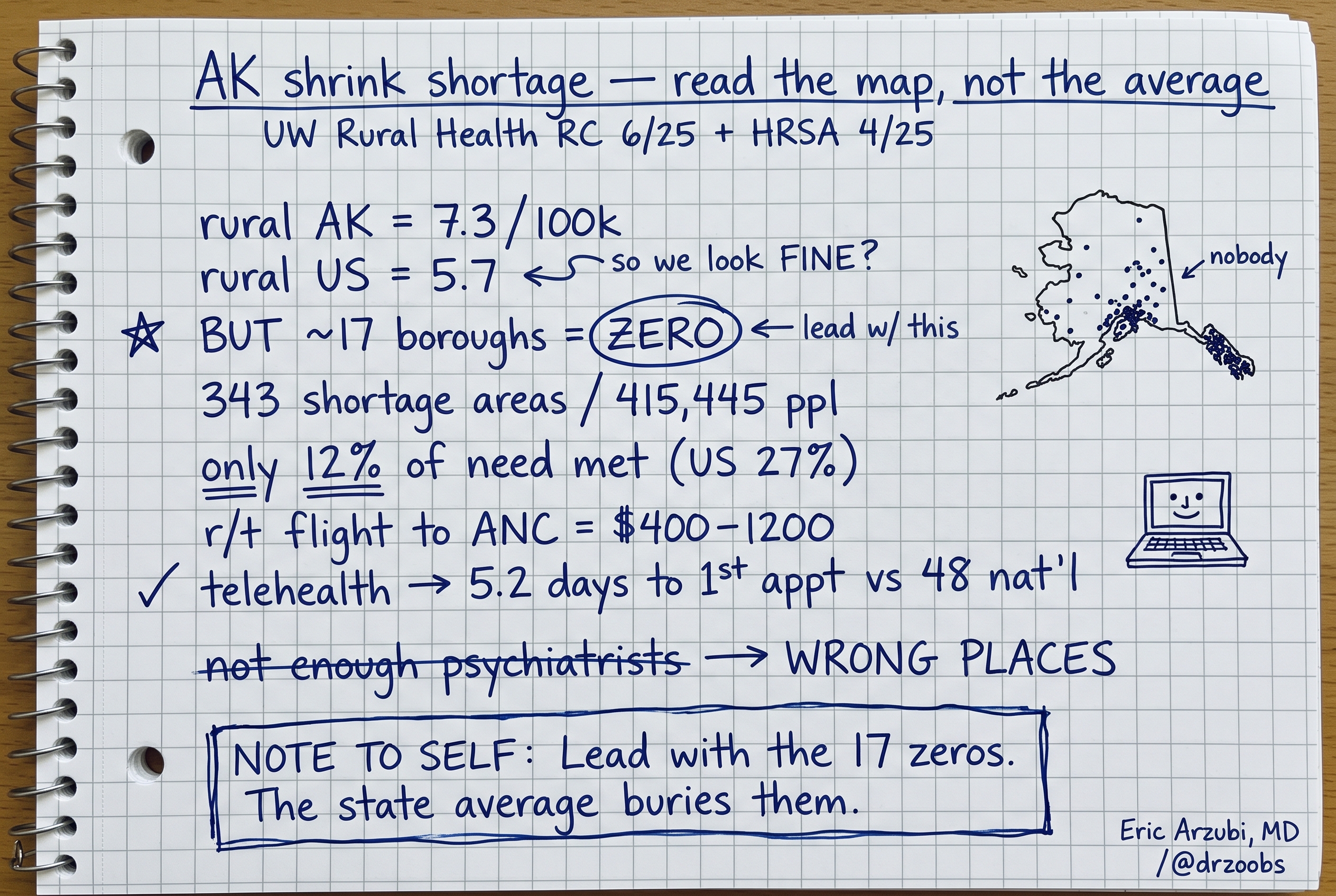
Yes. Frontier Psychiatry provides telehealth psychiatric care statewide, including Anchorage, Fairbanks, Juneau, Wasilla, Palmer, Sitka, Ketchikan, Nome, Bethel, Utqiagvik (formerly Barrow), Kodiak, Kenai, and Homer. A visit happens by secure video from your home or wherever you have a connection. No waiting room. No drive to a city.
In small communities, telehealth also means privacy. In a town where everyone knows your vehicle, a virtual visit from home is not a lesser version of care. For many patients, it is the only realistic version.
Do I need a referral?
No. Frontier accepts patients directly, without a referral from a primary care provider. Most major insurance plans are accepted, including many Alaska plans. If you are ready to get started, you can check your coverage on our insurance eligibility page.
How quickly can I be seen?
Most patients are seen within two weeks of their first contact. No referral is needed to get started.
Does Alaska Medicaid cover treatment for seasonal depression?
Alaska Medicaid covers psychiatric evaluation and medication management for depression, including SAD. Coverage details vary by plan. Contact Frontier directly to confirm your specific coverage before your first visit.
Evaluations are available for children, teens, and adults.
Frequently asked questions
Does everyone in Alaska get seasonal affective disorder?
No. In a random-sample study of Fairbanks residents, about 9% met full criteria for SAD and another 19% met criteria for a milder subsyndromal form. Nationally, about 5% of Americans experience SAD in a given year. Living in Alaska increases your risk, but most people do not develop clinical SAD.
How to fight seasonal depression in Alaska?
Light therapy (10,000 lux for 30 minutes each morning), an SSRI if prescribed, and CBT-SAD for longer-term prevention are the most effective approaches. Consistent sleep timing, morning outdoor light, and exercise also help. If symptoms are affecting your daily life, a clinical evaluation is the right first step.
What is the recommended light for SAD?
A white fluorescent light box rated at 10,000 lux that filters out UV wavelengths, used for 30 minutes shortly after waking. Lower intensities down to 2,500 lux can work if used for up to 60 minutes. Follow the distance your specific unit specifies for its rated output.
Does vitamin D help seasonal depression?
Correcting a deficiency is worthwhile, but vitamin D alone is not a substitute for light therapy or medication when those are indicated. The evidence for vitamin D as a standalone SAD treatment is mixed.
Does SAD affect work and school performance?
Yes. Symptoms are present for roughly 40% of the year. Impaired concentration, low energy, and withdrawal have a real impact on productivity and attendance, particularly for teenagers.
Is it safe to start light therapy on my own?
For most people, yes. If you have a personal or family history of bipolar disorder, get a clinical evaluation first. Light therapy can trigger hypomania or mania in susceptible individuals.
How do I get help for seasonal depression in Alaska without traveling?
Frontier Psychiatry provides telepsychiatry statewide in Alaska. No referral is needed. Most insurance is accepted. Call (406) 200-8471 or check your insurance eligibility online.
Ready to get care?
Frontier Psychiatry provides psychiatric care across Alaska by telehealth. No referral needed. Most insurance accepted.
Check your insurance eligibility or call (406) 200-8471 to get started.
Care is available for children, teens, and adults. If you are in Anchorage, Fairbanks, Juneau, Wasilla, Sitka, Kodiak, Nome, Bethel, or anywhere else in Alaska, a provider can see you from home.
Eric Arzubi, MD is board certified in general psychiatry and child and adolescent psychiatry. He is an Assistant Clinical Professor at the Yale Child Study Center, Yale School of Medicine, and the CEO and Co-Founder of Frontier Psychiatry. He co-founded Frontier in 2019 to expand access to psychiatric care in rural Montana, Idaho, and Alaska. View his full profile.
Last updated: August 2026. Primary clinical reference: Galima SV, Vogel SR, Kowalski AW. Seasonal Affective Disorder: Common Questions and Answers. Am Fam Physician. 2020;102(11):668-672. Secondary reference: Kurlansik SL, Ibay AD. Seasonal Affective Disorder. Am Fam Physician. 2012;86(11):1037-1041. This page is reviewed annually each September before peak SAD season.