How does ADHD look different at different ages?
"In younger children, ADHD is often very visible: constant movement, impulsive reactions, big emotions during transitions. In teens, it may look quieter but more internal: difficulty starting tasks, mental restlessness, burnout after “holding it together” all day. ADHD evolves as children grow, and so does our approach."
What are parents usually most worried about?
"The biggest concern I hear is: “Will my child have to be on medication?” The answer is no. Evaluation does not commit you to medication. We individualize treatment based on your child’s functioning, emotional well-being, and your family’s goals."
What does an evaluation actually involve?
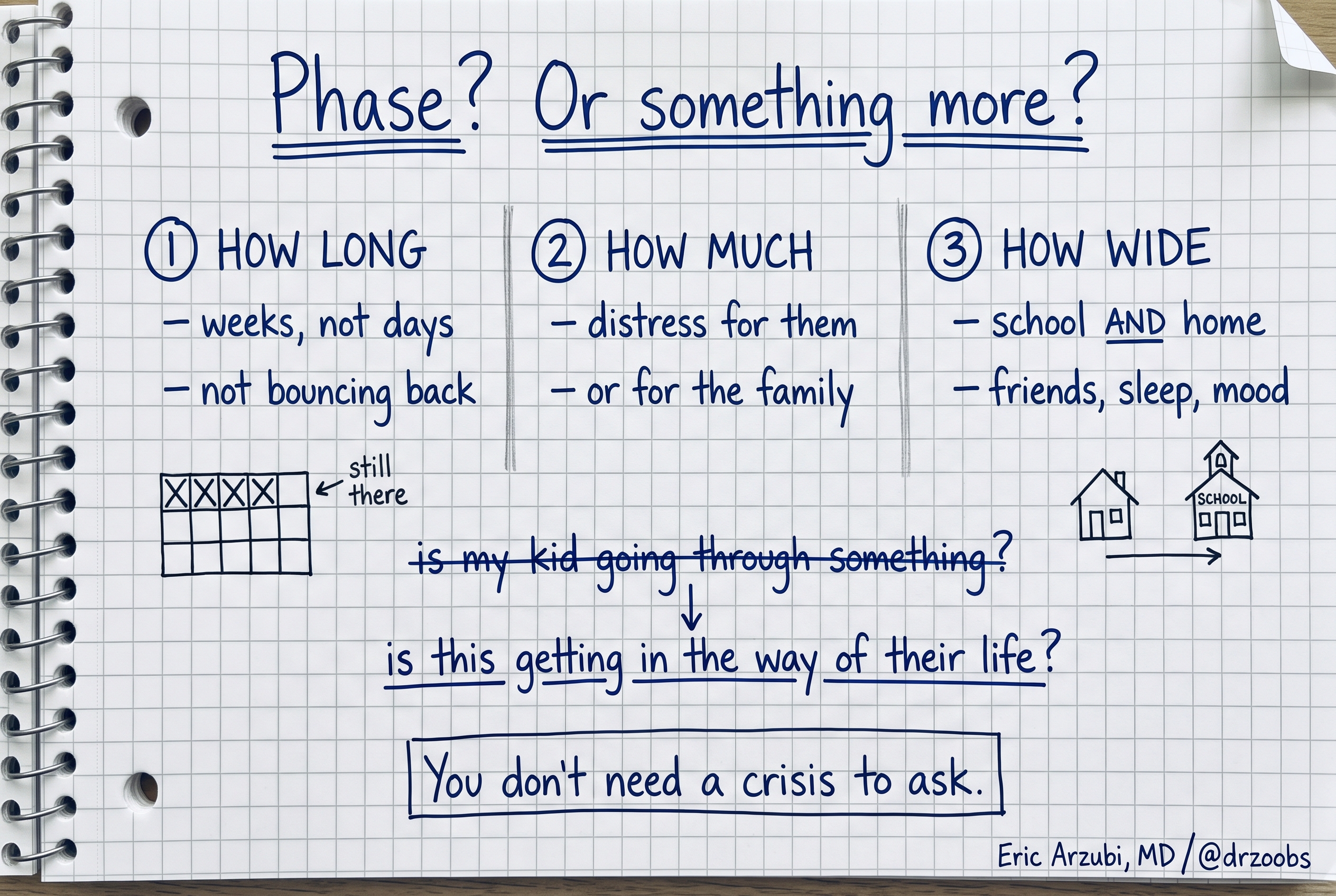
"The first visit focuses on understanding patterns across home, school, and social settings. We also screen for anxiety, mood, or learning concerns that can look similar to ADHD. Sometimes diagnosis is clear quickly; sometimes it unfolds over a few visits. We prioritize being thoughtful over being fast."
When do you recommend medication?
"Medication is never automatic. I look at how much a child is struggling emotionally and functionally. If they feel overwhelmed or consistently unsuccessful, medication can be life-changing. If they’re doing well overall, we may focus first on behavioral supports."
Read the full interview with Dr. Swathi Krishna | Medical Director of Child & Adolescent Psychiatry







.webp)